Southwest Flight 554 Bird Ingestion and Cockpit Smoke (N8830Q) — NTSB Final Report
Updated: May 19, 2026
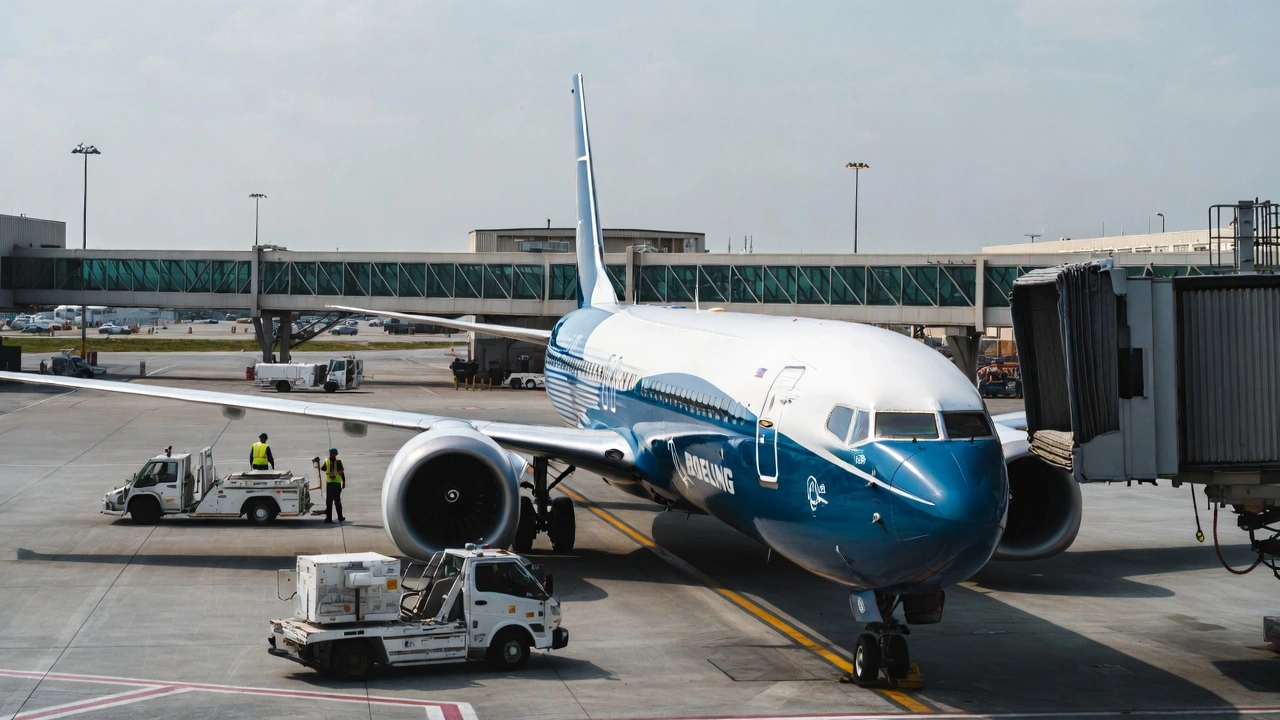
Southwest Airlines Flight 554, a Boeing 737-8 (N8830Q), departed Louis Armstrong New Orleans International Airport in Kenner, Louisiana, on December 20, 2023, when a bird strike during initial climb caused the left engine’s load reduction device to activate and dense smoke to rapidly fill the cockpit. The crew declared an emergency, donned oxygen masks under severely restricted visibility, and returned safely to New Orleans with all 139 occupants uninjured. The NTSB has since determined that the smoke resulted not from the bird ingestion itself but from a design-level chain reaction — LRD activation dislodged oil-supply tubes, allowing engine oil to enter the bleed air system upstream of the ports supplying cockpit air — and has now issued additional recommendations identifying a systemic gap in how airlines train pilots for exactly this kind of emergency.
Accident Summary
| Date | December 20, 2023 |
|---|---|
| Location | Kenner, Louisiana, USA |
| Aircraft | Boeing 737-8 (N8830Q) |
| Operation | Part 121; scheduled passenger; Louis Armstrong New Orleans International Airport (MSY) to Tampa International Airport (TPA) |
| Occupants | 139 total |
| Fatalities | 0 |
| Phase of Flight | Takeoff / initial climb |
| Investigation | NTSB; FAA participating |
What makes this case distinct is that the smoke wasn’t a side effect of engine damage — it was a side effect of the engine’s own safety system doing exactly what it was designed to do, and the question for Boeing and CFM is whether they adequately understood and disclosed that downstream hazard when they certified this design. The NTSB’s finding that the FAA gets cockpit smoke reports almost every single day, and still doesn’t require airlines to run realistic simulations for it, is the kind of institutional gap that plaintiffs’ lawyers and regulators alike are going to be examining very carefully going forward.
David Katzman, Aviation Accident Attorney — Katzman, Lampert & Stoll
What Happened
Climbing through approximately 1,000 feet after an uneventful takeoff, the first officer heard the captain say “bird,” followed immediately by a thump on the left side of the airplane. The aircraft began shaking violently with a distinct loss of thrust in the left engine, the engine master caution activated, and the captain reported hearing the fire bell. He called for the Engine Fire or Engine Severe Damage or Separation checklist on the Quick Reference Card.
As the first officer began the checklist, the flight deck filled with acrid white smoke within seconds. The first officer called out “masks,” both pilots donned their oxygen masks, and they continued the checklist. The captain reported that cockpit visibility was so restricted he could see nothing beyond the first officer, who was holding the Quick Reference Handbook, and that his instrument panel was difficult to see — he considered whether he might need to fly solely by reference to the heads-up guidance system. The crew declared an emergency with ATC and requested airport rescue and firefighting support.
After the first officer pulled the engine fire switch, the smoke began to rapidly dissipate. The aircraft landed on runway 11/29 at MSY, came to a full stop for ARFF inspection, then taxied to the gate under its own power. All 139 occupants deplaned normally with no injuries reported.
Aircraft and Operational Context
The aircraft was a 2022-model Boeing 737-8, serial number 67750, registered to and operated by Southwest Airlines under Part 121. It was powered by two CFM International LEAP-1B28 engines, each rated at 29,317 pounds of thrust. The airframe had accumulated 3,141.18 hours as of its most recent inspection on December 16, 2023 — four days before the incident. Visual meteorological conditions prevailed for the departure.
The LEAP-1B engine incorporates a load reduction device designed to minimize airframe and engine damage during a significant fan imbalance event. When triggered, the LRD mechanically disconnects the fan from the turbomachinery to reduce vibration severity. The device operates automatically and requires no pilot input. On the 737 MAX, bleed air from the left engine supplies the cockpit environment control system; bleed air from the right engine supplies the passenger cabin — a routing distinction that became directly relevant to the crew’s exposure in this event.
The captain held an airline transport certificate with 25,000 total hours, approximately 20,000 on the 737 make and model, and a current Class 1 medical. The first officer held an airline transport certificate with 20,800 total hours and approximately 7,000 on type. Both pilots were current and qualified.
Accident Investigation
The NTSB determined the probable cause of this incident to be a partial loss of engine power due to bird ingestion in the No. 1 engine, which triggered LRD activation to suppress vibration, and that LRD activation produced the smoke and fumes that entered the cockpit. Flight data recorder analysis confirmed the sequence: after takeoff, both engines showed approximately 83% fan speed (N1); about two seconds after the bird ingestion, left engine N1 dropped to 75%, airborne vibration monitoring began increasing, and left engine oil quantity began falling from 16.25 quarts. Approximately 15 seconds after ingestion, left engine core speed (N2) fell below 62% rpm, de-energizing the running relay and closing the pressure regulating shutoff valve — the point at which bleed air access to the cockpit was cut off and the smoke began to dissipate. About 28 seconds later, left engine N1 stabilized at 6% rpm with oil quantity at 3.5 quarts.
Post-incident examination established the physical pathway: LRD activation dislodged oil-supply tubes to the engine sump and opened the sump flange, allowing engine oil to enter the core compressor upstream of the pneumatic bleed ports that supply cabin and cockpit air. Exposed to high temperatures, the oil produced the smoke and fumes fed into the flight deck. The NTSB found no clear evidence of significant toxic or irritant exposure to either pilot during the flight, though the captain experienced incompletely characterized respiratory symptoms in the months following the incident. The NTSB noted that the absence of confirmed toxicological harm in this instance does not resolve the potential for serious irritant effects in future LRD-related smoke events. The broader NTSB investigation process in incidents like this one moves from event reconstruction and recorded-data analysis through component examination before safety recommendations are issued.
On checklist and crew performance, the NTSB found the captain’s selection of the Engine Fire or Engine Severe Damage or Separation checklist was appropriate given the reported airframe vibrations — one of the stated conditions for that checklist. Although the Smoke, Fire or Fumes checklist was not formally initiated, the first officer’s “masks” callout accomplished two of the three memory items. The NTSB noted that the crew would likely have started the smoke checklist first had they not been dealing with severe airframe vibration simultaneously.
Following the incident, Boeing issued an FCOM bulletin on February 9, 2024, describing the event and the recommended crew response. Boeing subsequently updated the 737-8 FCOM on November 15, 2024, and the Quick Reference Handbook on November 30, 2024, to include engine failure with smoke or fumes in the flight deck or cabin as a condition triggering the Engine Fire or Engine Severe Damage or Separation QRC. Southwest Airlines issued a Read Before Fly brief to its pilots on February 14, 2024. CFM International, in collaboration with Boeing, has been developing an engine software update that would close the PRSOV automatically when the LRD activates — a software-only fix anticipated for certification and service bulletin release; the FAA is expected to mandate its installation in the third quarter of 2026 according to a Department of Transportation Office of Inspector General report issued in April 2026.
On May 13, 2026, the NTSB issued three additional safety recommendations — identified in Aviation Investigation Report AIR-26-03 — directly addressing a systemic gap in pilot training for cockpit smoke emergencies. The NTSB found that despite the FAA receiving nearly daily notifications of flights in which crews declare emergencies due to smoke in the cockpit, passenger airlines are not currently required to conduct realistic smoke-in-cockpit simulation training. Existing training typically consists of verbal discussion of smoke events rather than immersive simulation under reduced visibility and elevated workload. The pilots from this flight told investigators the actual experience was far more challenging than anything they had encountered in training — the surprise, adrenaline, and near-zero visibility were not replicated by any exercise they had completed. The NTSB recommended that the FAA work with industry to develop standardized, realistic smoke-in-cockpit scenario-based training for initial and recurrent programs at all passenger-carrying operators and incorporate that training into FAA Order 8900.1A. The NTSB also urged Airlines for America and the Regional Airline Association to share the findings from this incident with member airlines and encourage adoption of realistic smoke simulations. The board stated directly that if a similar event occurred at night or in instrument meteorological conditions, the consequences could be catastrophic.
The NTSB noted a parallel incident: a March 2023 Southwest departure from Havana, Cuba, in which a bird strike caused the right engine’s LRD to activate, filling the passenger cabin with smoke before the aircraft returned safely. That event affected the cabin rather than the cockpit because the right engine’s bleed air feeds the passenger side. Both incidents are now part of the same investigative record and the same set of systemic recommendations.
Operational and Regulatory Issues
The central operational finding in this investigation is not that a bird strike damaged an engine — it is that the engine’s vibration-mitigation system created a secondary hazard the cockpit crew was not equipped by training to fully manage. The LRD performed its intended function. The smoke was a consequence of that function interacting with the bleed air architecture of the aircraft. That distinction matters for how liability and regulatory accountability are assessed: the question is not whether bird ingestion is foreseeable, but whether the downstream consequences of LRD activation — specifically, oil contamination of the bleed air supply — were adequately characterized during certification and adequately disclosed to operators and crews.
The FAA convened a corrective action review board in November 2024 to evaluate the LRD smoke risk and determined the issue did not warrant immediate action, deferring any corrective measures to the standard regulatory process. That determination is now sitting alongside an NTSB finding that the same hazard, if encountered at night or in IMC, could produce a catastrophic outcome — a direct tension between the agency’s 2024 posture and the board’s 2026 conclusions. The software fix under development by CFM and Boeing would close the PRSOV automatically at LRD activation, which would cut off the bleed air pathway before smoke reaches the cockpit. Whether that fix is mandated with sufficient urgency, and what the regulatory record shows about how long this hazard was known before action was taken, will be central questions in any future claims.
On the training side, the NTSB’s finding that verbal discussion of smoke events is the standard preparation across U.S. passenger carriers — despite near-daily FAA smoke-emergency notifications — identifies a gap that is both operationally and legally significant. Airlines that have not adopted realistic simulation training before the FAA acts on the NTSB’s recommendation will face scrutiny over why they did not act on information that was available to them.
Aviation Accident Litigation
This incident involves multiple potential liability theories that do not resolve to a single responsible party. The engine design — specifically the interaction between LRD activation and bleed air contamination — raises questions about whether the hazard was adequately identified, disclosed, and mitigated at the certification stage, which is the territory covered by federal preemption in aviation product liability. Manufacturer design decisions, post-certification hazard communication, and the timeline between hazard identification and corrective action are all relevant to that analysis.
Separately, the NTSB’s training-gap findings implicate airline operator responsibility. The board’s conclusion that existing training left this crew measurably underprepared — and that a similar event at night or in IMC could be catastrophic — creates a documented basis for examining whether individual carriers met their duty of care in preparing flight crews for a foreseeable emergency scenario. That is not a minor issue, particularly for carriers that received the February 2024 FCOM bulletin and subsequent industry guidance and did not independently move toward more realistic simulation training before the NTSB acted.
Evaluating claims in incidents of this type requires independent technical analysis of the design record, the certification history, the post-certification communications between manufacturer and operators, and the specific training programs in place at the time of the event. When aviation litigation reaches resolution, outcomes reflect the specific technical record, applicable preemption doctrine, and individualized proof of harm. Information about how cases of this kind have been approached is available through the firm’s aviation accident litigation practice and its record of representative aviation matters.
Media inquiries: Journalists covering this accident or related aviation litigation matters may contact David Katzman directly via td***@************rt.com.
Consultation Regarding Aviation Accident Investigations
Families, referring attorneys, and journalists sometimes seek legal consultation or technical insight regarding aviation accidents and investigative issues discussed in these analyses. Inquiries may be directed to Katzman, Lampert & Stoll at the link below.
Aviation Accident Litigation
- Aviation Accident Litigation
- Commercial Airline Accident Litigation
- Private & Corporate Aircraft Accident Litigation
- Military & Government Contractor Aviation Litigation
- Complex Aviation Litigation Methodology
- NTSB Investigations & Civil Aviation Claims
- Federal Preemption in Aviation Product Liability
- Defeating GARA Defenses in Aviation Product Liability Litigation
- For Families and Survivors
MICHIGAN OFFICE
Katzman Lampert & Stoll
950 West University Dr #101
Rochester, MI 48307
E-mail: Click to use our Contact Form
Toll-Free: (866) 309-6097
Phone: (248) 258-4800
Fax: (248) 258-2825
COLORADO OFFICE
Katzman Lampert & Stoll
9596 Metro Airport Ave.
Broomfield, CO 80021
E-mail: Click to use our Contact Form
Toll-Free: (866) 309-6097
Phone: (303) 465-3663
Fax: (303) 867-1565
PENNSYLVANIA OFFICE
Katzman Lampert & Stoll
121 N. Wayne Ave. # 205
Wayne, PA 19087
E-mail: Click to use our Contact Form
Toll-Free: (866) 309-6097
Phone: (610) 686-9686
Fax: (610) 686-9687