
Aviation Product Liability: When Manufacturers May Be Liable
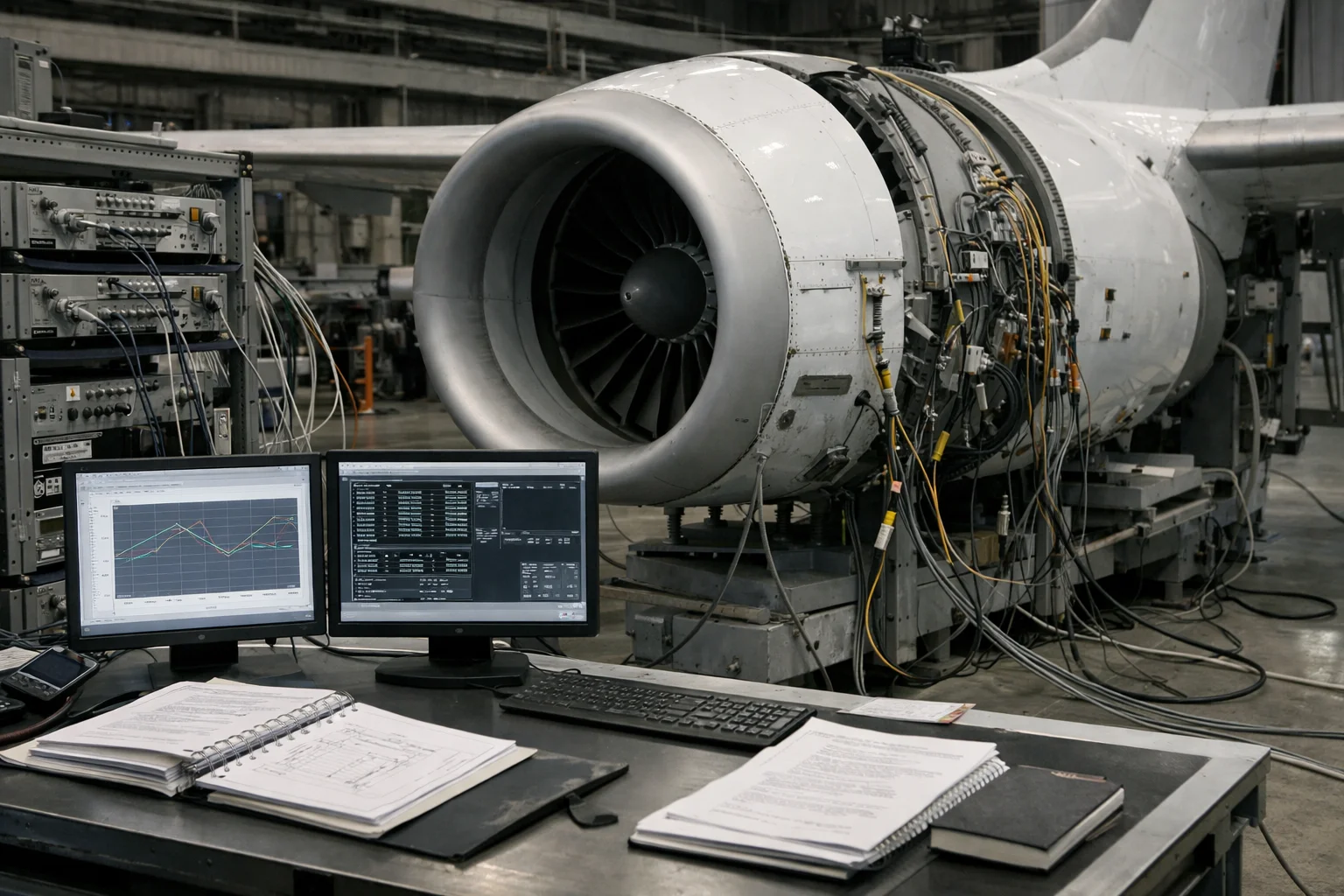
Not every aviation case turns on crew conduct or weather conditions. Sometimes the more consequential question is whether something built into the aircraft, one of its systems, or a component part failed in a way it was not supposed to fail. In those cases, the legal analysis may extend beyond operation of the flight and toward the design, manufacture, warnings, or safety performance of the aircraft and its parts.
That is where aviation product liability becomes relevant. These claims may arise in cases involving engines, flight controls, cabin interiors, restraint systems, fuel systems, avionics, structural components, and other aircraft equipment. They often matter because the people affected by a crash usually see only the event itself, while the larger story may include years of engineering decisions, certification history, design tradeoffs, service experience, and prior knowledge about how a system or component performed in the field.
Product Liability Summary
| Topic | Aviation Product Liability: When Manufacturers May Be Liable |
|---|---|
| Primary Focus | How product liability issues may arise in aviation accident litigation involving aircraft manufacturers, component manufacturers, and other entities in the design and production chain |
| Why It Matters | An aviation accident may involve not only operational or maintenance issues, but also alleged defects in design, manufacture, warnings, or safety-related performance of aircraft systems and components |
| Common Theories | Design defect, manufacturing defect, failure to warn, inadequate instructions, and component-part liability |
| Evidence Often Involved | Wreckage and component examination, engineering documents, testing history, service information, certification materials, maintenance records, and prior-incident data |
| Related Liability Issues | Crashworthiness, maintenance responsibility, operator responsibility, certification and preemption issues, and GARA-related defenses |
| Investigation Context | Product issues may emerge through the NTSB investigation, component analysis, maintenance history, and post-accident technical review |
| Related Topics | Evidence preservation, crashworthiness, maintenance liability, NTSB investigations, federal preemption |
| Page Type | Evergreen aviation law and investigation resource |
Why Product Liability Questions Arise in Aviation Cases
Aircraft are complex machines made up of systems and components that are designed, manufactured, tested, certified, maintained, and operated over long service lives. When an accident occurs, it is not always enough to ask what the pilot did or what the weather was doing. In some cases, the more important question is whether the aircraft or one of its parts performed in a reasonably safe way under the conditions involved.
That possibility is one reason aviation litigation often develops along multiple tracks at once. An accident may initially appear to involve pilot judgment, maintenance history, or operational decision-making, only for the investigation to reveal a component failure, a design vulnerability, an inadequate warning, or a safety feature that did not perform as expected. Product liability becomes important when the aircraft itself may be part of the explanation, not just the setting in which the event occurred.
Why These Cases Often Feel Distant at First
Manufacturer-related claims can feel abstract in the early stages of a crash. Families and passengers usually encounter the accident through immediate facts: the flight departed, something went wrong, the aircraft came down. Product issues often sit farther back in the timeline. They may involve engineering choices made years earlier, suppliers the passenger never heard of, testing assumptions no one on board could have known, or certification history buried deep in technical documents.
That distance can make these cases harder to see clearly at first. A failed component may look like an isolated mechanical problem until the broader engineering and service history is examined. A seat, restraint, or interior structure may seem incidental until survivability becomes part of the analysis. A warning or maintenance instruction may appear routine until the question becomes whether it adequately communicated a known risk. In that sense, product-liability claims often come into focus only after the technical record begins to develop.
The firm’s analysis of Southwest Airlines Flight 554 is a useful example, because investigators concluded that after a bird ingestion the engine’s load reduction device created a pathway for oil to enter the compressor and feed smoke and fumes into the cockpit.
Common Product Liability Theories in Aviation Litigation
Several recurring theories appear in aviation product-liability litigation. One is design defect: whether the aircraft, system, or component was designed in a way that created an unreasonable safety risk. Another is manufacturing defect: whether the product departed from its intended design or was built, assembled, or produced in a flawed condition. A third is failure to warn or inadequate instructions: whether the manufacturer reasonably communicated known limitations, hazards, inspection needs, or operating concerns.
Component-part issues may also matter. In many aircraft, important systems are supplied by specialized manufacturers rather than the airframe manufacturer alone. Engines, avionics, flight-control components, interior systems, restraint components, and other parts may each raise their own design, manufacturing, and warning questions. That is one reason product-liability analysis often extends beyond a single company and into a broader chain of design and production relationships.
Certification Does Not End the Analysis
One recurring misunderstanding in aviation cases is the idea that federal certification automatically resolves whether a product was safe enough for civil-liability purposes. Certification can be an important part of the factual and legal setting, but it does not eliminate the need to examine how the product actually performed, what was known about its risks, and what issues emerged in service. Civil litigation asks different questions from those asked in certification.
That is why aviation product-liability cases often overlap with federal-law issues without being reduced to them. The firm addresses part of that framework in federal preemption in aviation product liability. The broader point here is that certification history may matter, but it is not the whole case.
Design Defects, Manufacturing Defects, and Warning Issues
Although these categories are often discussed together, they are not the same. A design-defect claim may focus on whether the product was unreasonably dangerous even if manufactured exactly as intended. A manufacturing-defect claim may focus on whether something went wrong in production, assembly, or quality control. A warning-related claim may focus on whether the manufacturer reasonably informed operators, maintainers, or users about important hazards, limitations, or inspection concerns.
In aviation, those distinctions matter because the same accident can raise more than one of them. A component may have a vulnerable design, may also have been manufactured or assembled improperly in a particular unit, and may also be associated with warnings or service information that become important once the accident sequence is understood. The legal analysis therefore has to track the facts closely rather than forcing the case into a single label too early.
The firm’s analysis of the Flexjet Praetor 500 hard landing and runway excursion at St. Simons Island provides a useful example, because the NTSB tied the event to AOA limiter control laws that restricted pitch response during the flare in gusting conditions.
Product Liability and Crashworthiness Are Often Connected
Some aviation product-liability cases are not only about what caused the crash, but also about what happened inside the aircraft after impact. A seat, restraint system, interior structure, fuel-fed fire hazard, or cabin safety feature may become central where the issue is not just accident causation but occupant protection. In those cases, the question may be whether the aircraft and its interior gave occupants a reasonable chance to avoid catastrophic injury and escape.
The technical cause of the accident and the severity of the injuries are not always the same issue. A product-related defect may affect one, the other, or both.
Product Liability and Maintenance Questions Can Overlap
Not every failed component points cleanly to a manufacturer, and not every maintenance problem rules out a product issue. A part may fail because of poor design, a production defect, improper installation, inadequate inspection instructions, deficient maintenance practices, or some combination of those possibilities. That overlap is common in aviation cases because aircraft systems move through long chains of manufacture, inspection, maintenance, repair, and return to service.
The key is not to assume too early that the problem belongs entirely in one category. The investigation may begin with uncertainty, and the relationship among design, manufacture, maintenance, and operation may become clearer only as the records and hardware are examined.
Evidence Matters Long Before the Legal Theory Settles
In aviation product-liability cases, the most important evidence often develops early even when the legal theory is not yet fully formed. Wreckage and component preservation, burn patterns, fracture surfaces, testing history, service records, maintenance documents, and engineering materials may all become important. If a component is lost, altered, or incompletely documented, later analysis may become substantially harder.
Product issues may depend on physical hardware, design documents, maintenance history, and technical data that exist both at the scene and away from it. Preserving the record matters before anyone can confidently say whether the defect theory is design-based, manufacturing-based, warning-based, or something more complicated.
The NTSB Investigation and Product Claims Are Not the Same Inquiry
The NTSB investigates aircraft accidents for transportation-safety purposes. Its work may be essential to understanding the technical sequence, component performance, and factual background of the accident. But a civil product-liability claim asks different legal questions, including what the manufacturer knew or should have known, how the product was designed or built, what warnings were given, and whether the product performed in a reasonably safe manner under the circumstances.
That broader relationship between the federal investigation and later claims is discussed in How NTSB Investigations Affect Civil Aviation Claims. In product cases especially, the distinction matters. The safety investigation may reveal how the event unfolded, but civil litigation may still require separate analysis of engineering choices, prior incidents, warnings, and legal defenses.
Why Older Aircraft and Long Service Histories Can Matter
Product-liability questions can also take on a different shape when the aircraft or component has been in service for many years. A system may have a long operational history, repeated field issues, evolving service information, aging-related concerns, or debates about design life and continued safe use. In those cases, the analysis may become intertwined with the aircraft’s age, inspection practices, retrofit history, and known limitations over time.
The fact that an aircraft is older does not answer the liability question, but it can change what the factual record looks like and what risks, service history, or warnings become important.
Why This Area of Aviation Litigation Requires Care
These cases can become technically dense very quickly. That is partly because they often involve engineering materials, certification history, component analysis, service bulletins, testing issues, and multi-entity relationships. But the core point is simpler than the volume of documents might suggest. Product-liability litigation asks whether the aircraft or one of its parts may have helped create or worsen the danger in a way that should not reasonably have occurred.
That question matters because the people on board did not bargain to absorb hidden design risks, unnoticed production flaws, or inadequate safety warnings simply because the aircraft was complex. In that sense, product-liability cases are about more than engineering. They are also about whether the aircraft and its components performed with the level of safety the law may require under the circumstances.
Aviation Accident Litigation
Aviation product liability concerns the role that aircraft design, manufacture, warnings, and component performance may play in an accident or in the severity of the injuries that follow. In an appropriate case, the legal analysis may extend well beyond operation of the flight and into the engineering, production, and service history of the aircraft and its systems. That is why product-liability claims often require careful attention to preserved hardware, technical records, crashworthiness issues, maintenance history, and the larger investigative process that develops after an aviation accident—issues often examined by plane crash lawyers handling complex aircraft cases.
Consultation Regarding Aviation Accident Investigations
Families, referring attorneys, and journalists sometimes seek legal consultation or technical insight regarding aviation accidents and investigative issues discussed in these analyses. Inquiries may be directed to Katzman, Lampert & Stoll at the link below.
Aviation Accident Litigation
- Aviation Accident Litigation
- Commercial Airline Accident Litigation
- Private and Corporate Aircraft Accident Litigation
- Military & Government Contractor Aviation Litigation
- Complex Aviation Litigation Methodology
- NTSB Investigations & Civil Aviation Claims
- Federal Preemption in Aviation Product Liability
- Defeating GARA Defenses in Aviation Product Liability Litigation
- For Families and Survivors
MICHIGAN OFFICE
Katzman Lampert & Stoll
950 West University Dr #101
Rochester, MI 48307
E-mail: Click to use our Contact Form
Toll-Free: (866) 309-6097
Phone: (248) 258-4800
Fax: (248) 258-2825
COLORADO OFFICE
Katzman Lampert & Stoll
9596 Metro Airport Ave.
Broomfield, CO 80021
E-mail: Click to use our Contact Form
Toll-Free: (866) 309-6097
Phone: (303) 465-3663
Fax: (303) 867-1565
PENNSYLVANIA OFFICE
Katzman Lampert & Stoll
121 N. Wayne Ave. # 205
Wayne, PA 19087
E-mail: Click to use our Contact Form
Toll-Free: (866) 309-6097
Phone: (610) 686-9686
Fax: (610) 686-9687