

Southwest Flight 1380 Emergency Landing After Engine Failure Near Philadelphia
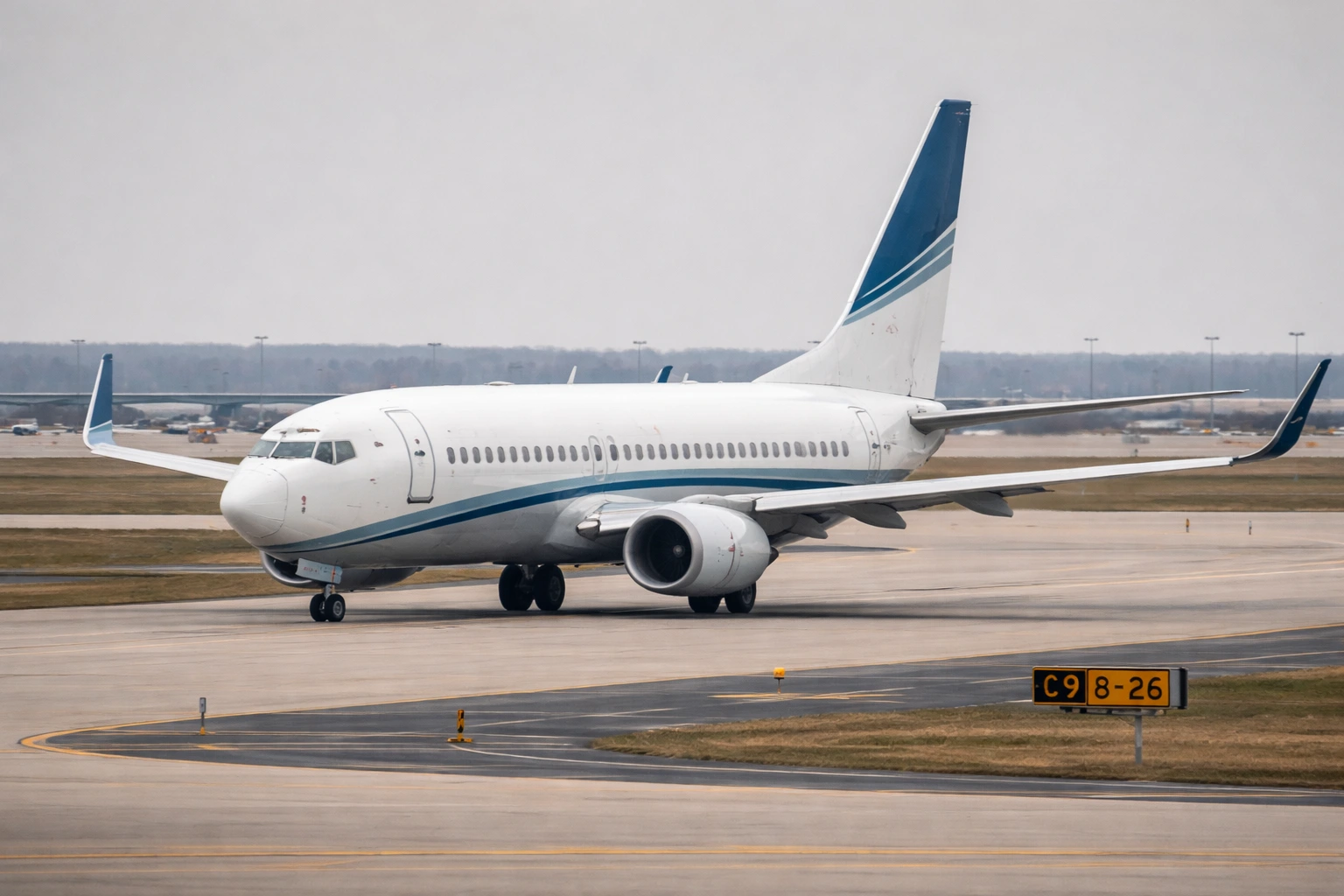
On April 17, 2018, Southwest Airlines Flight 1380, a Boeing 737-700 operating from New York (LaGuardia) to Dallas, experienced an in-flight engine failure and diverted to Philadelphia, Pennsylvania. The event involved engine debris and damage to the fuselage and a passenger window area, and one passenger died with additional injuries reported. Federal investigators examined the failure sequence, the containment performance of the engine, and the circumstances surrounding the aircraft’s safe landing and passenger injuries.
Accident Summary
| Date | April 17, 2018 |
|---|---|
| Location | Philadelphia, Pennsylvania, United States |
| Aircraft | Boeing 737-700 |
| Operation | Scheduled passenger flight (Southwest Airlines), LaGuardia to Dallas (Flight 1380) |
| Occupants | 149 total (144 passengers; 5 crew) |
| Fatalities | 1 |
| Phase of Flight | Cruise; diversion and emergency landing |
| Investigation | National Transportation Safety Board (NTSB) |
What Happened on Southwest Flight 1380
Public reporting described an in-flight engine failure followed by debris and impact damage affecting the aircraft’s fuselage and a passenger window area. The flight crew diverted to Philadelphia and landed the aircraft, and injuries were reported among passengers. The NTSB investigation examined the initiating mechanical failure, whether the failure was contained as designed, and how the sequence progressed in flight.
Aircraft and Operational Context
The Boeing 737-700 is a twin-engine transport-category aircraft designed with redundancy across multiple systems. In a serious engine event at cruise altitude, crews typically manage thrust asymmetry, performance considerations, checklist execution, and diversion planning while coordinating with air traffic control and emergency services at the destination airport.
In events involving engine component separation or debris, investigators commonly evaluate the failure sequence within the engine, the extent to which fragments were contained, and whether secondary impacts occurred to the aircraft structure. The operational record also includes crew communications, aircraft handling, cabin crew actions, and the timing and nature of passenger injuries.
Accident Investigation
The NTSB investigative process typically proceeds through staged evidence collection, including recovery and examination of engine components, review of maintenance and inspection records, analysis of operational data, and evaluation of prior related events. A detailed overview of how federal investigations proceed is provided in our explanation of the NTSB investigation process.
In an engine failure event of this type, investigators commonly evaluate (1) engine component condition and fracture features, (2) the engine’s inspection and maintenance history, (3) evidence of crack initiation and propagation where fatigue is suspected, and (4) containment performance of the nacelle and fan case structures. Investigators may also consider whether relevant service bulletins or inspection programs were in place and followed.
Public reporting following the event indicated that engine debris was recovered from the surrounding area after the incident. Where fragments are recovered, investigators may use component examination and metallurgical analysis to determine whether cracking developed over time and whether the observed fracture features are consistent with fatigue progression or other failure mechanisms.
Operational and Regulatory Issues
Where an engine failure involves debris exiting the engine structure, the investigation often includes a review of containment design expectations and whether the event involved an “uncontained” failure mode. Regulatory context can include whether inspection intervals, inspection methods, and airworthiness directives were adequate to identify the failure mechanism before a critical event occurred.
For turbine engines in commercial service, inspection methodology can be as important as inspection frequency. Investigators and regulators may evaluate what inspection techniques were used, whether recommended inspection programs were adopted within the relevant timeframes, and whether the engine’s service history provided warning signs of an evolving risk.
Aviation Accident Litigation
Serious in-flight engine failures causing a passenger death can raise complex technical and liability questions, including issues handles by aviation wrongful death attorneys.
Case analysis may also involve engine design, manufacturing controls, inspection methodology, maintenance practices, and operational decision-making.
Where matters proceed into civil litigation, the evidentiary record often turns on the quality of component examination, maintenance history, and passenger-injury documentation.
Broader litigation outcomes can vary based on the technical proof, the claimed damages, and the scope of the surviving investigative record.
Consultation Regarding Aviation Accident Investigations
Families, referring attorneys, and journalists sometimes seek legal consultation or technical insight regarding aviation accidents and investigative issues discussed in these analyses. Inquiries may be directed to Katzman, Lampert & Stoll at the link below.
Aviation Accident Litigation
- Aviation Accident Litigation
- Private and Corporate Aircraft Accident Litigation
- Military & Government Contractor Aviation Litigation
- Complex Aviation Litigation Methodology
- NTSB Investigations & Civil Aviation Claims
- Federal Preemption in Aviation Product Liability
- Defeating GARA Defenses in Aviation Product Liability Litigation
- For Families and Survivors
MICHIGAN OFFICE
Katzman Lampert & Stoll
950 West University Dr #101
Rochester, MI 48307
E-mail: Click to use our Contact Form
Toll-Free: (866) 309-6097
Phone: (248) 258-4800
Fax: (248) 258-2825
COLORADO OFFICE
Katzman Lampert & Stoll
9596 Metro Airport Ave.
Broomfield, CO 80021
E-mail: Click to use our Contact Form
Toll-Free: (866) 309-6097
Phone: (303) 465-3663
Fax: (303) 867-1565
PENNSYLVANIA OFFICE
Katzman Lampert & Stoll
121 N. Wayne Ave. # 205
Wayne, PA 19087
E-mail: Click to use our Contact Form
Toll-Free: (866) 309-6097
Phone: (610) 686-9686
Fax: (610) 686-9687