
Southwest Flight 554 Bird Ingestion and Cockpit Smoke (N8830Q) — NTSB Final Report
Updated: Mar 25, 2026
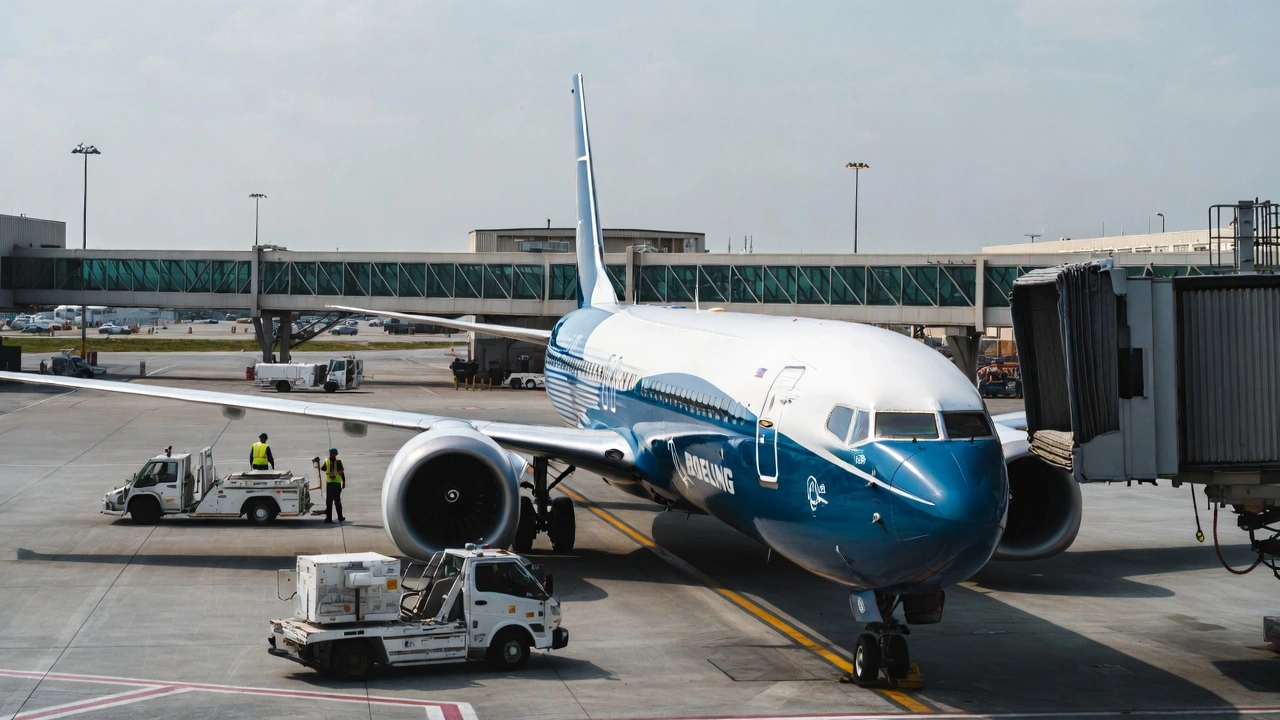
On December 20, 2023, Southwest Airlines Flight 554, a Boeing 737-8 (N8830Q), experienced a bird ingestion in the No. 1 (left) engine during initial climb after departing Louis Armstrong New Orleans International Airport (MSY) in Kenner, Louisiana. The crew declared an emergency and returned to MSY, and the aircraft landed without reported injuries to the 139 occupants. Federal investigators are examining the incident, with particular focus on the engine load reduction device activation and how it led to smoke and fumes entering the cockpit.
Accident Summary
| Date | December 20, 2023 |
|---|---|
| Location | Kenner, Louisiana, USA |
| Aircraft | Boeing 737-8 (N8830Q) |
| Operation | Part 121; scheduled passenger; Louis Armstrong New Orleans International Airport (MSY) to Tampa International Airport (TPA) |
| Occupants | 139 total |
| Fatalities | 0 |
| Phase of Flight | Takeoff / initial climb |
| Investigation | NTSB |
What Happened
During the initial climb, the crew reported a “thump” followed by a violent airframe shake and a distinct loss of thrust in the left engine. The engine master caution activated, and the captain reported hearing the fire warning bell. The captain called for the “Engine Fire or Engine Severe Damage or Separation” checklist.
While the first officer began the checklist, the flight deck filled with “acrid white smoke,” and the pilots donned their oxygen masks. The crew declared an emergency, requested aircraft rescue and firefighting support, and returned to MSY. The captain reported cockpit visibility was restricted and that he had difficulty seeing the instrument panel.
After the first officer pulled the engine fire switch, the captain reported the smoke began to rapidly dissipate. The aircraft landed and came to a full stop on the arrival runway for inspection by rescue personnel, then taxied to the gate under its own power. Passengers deplaned normally, and no injuries were reported.
Aircraft and Operational Context
The aircraft was a Boeing 737-8, N8830Q, operating a regularly scheduled passenger flight under Part 121 from MSY to TPA. Visual meteorological conditions prevailed for the flight. The captain was the pilot flying and the first officer was the pilot monitoring.
Recorded flight data showed a reduction in left engine fan speed shortly after the reported bird ingestion, followed by increasing vibration indications and a decrease in left engine oil quantity. The engine’s core speed decreased to a level that would close the pressure regulating shutoff valve, which the NTSB identified as the pathway by which the smoke and fumes entered the cockpit.
Accident Investigation
NTSB incident investigations develop in stages—starting with event reconstruction and recorded-data review and progressing to component examination and analysis—before any final determinations are issued, as described in the firm’s overview of the NTSB investigation process.
The NTSB determined that the smoke in the cockpit resulted from activation of the left engine’s load reduction device (LRD) following the bird ingestion. The LRD is intended to reduce vibration transmission by disconnecting the fan from the engine core, but the NTSB reported that, when the LRD activated, oil-supply tubes became dislodged and an opening at the sump area allowed engine oil to enter the compressor upstream of bleed ports that supply air to the cockpit and cabin. The oil was exposed to high temperatures and produced smoke and fumes that were then fed into the cockpit. A technical record like that can also move the analysis squarely into federal preemption in aviation product liability, because the downstream hazard arose not simply from the bird strike itself but from the way the engine system responded to the damage event.
The NTSB also addressed checklist and procedural considerations based on the sequence the crew faced: severe vibration immediately after the bird ingestion and subsequent cockpit smoke. The NTSB reported Boeing issued operational guidance after the incident and later updated manual content to highlight engine failure with smoke or fumes in the flight deck or cabin as a condition associated with the engine fire/severe damage checklist.
Operational and Regulatory Issues
Bird ingestions can produce vibration and partial power loss, and in this event the NTSB identified a design-related pathway by which a vibration-mitigation mechanism (LRD activation) could introduce smoke and fumes into the cockpit. Investigators commonly evaluate both the initiating event (bird ingestion and resulting engine damage/imbalance) and the downstream cockpit effects that can increase workload at a critical flight phase.
Operationally, incidents involving dense cockpit smoke place emphasis on time-sensitive crew coordination, mask use, and checklist selection under degraded visibility. The NTSB noted that the engine fire/severe damage checklist was an appropriate starting point given the reported airframe vibrations, and that changes to guidance and pilot awareness were part of the broader safety response to this hazard.
Beyond the event-specific findings, the investigation also prompted broader regulatory attention to the LEAP-1B smoke-ingress issue. The NTSB later urged the FAA to ensure operators clearly inform flight crews about the potential for smoke to enter the cockpit or cabin after severe bird-strike damage and load reduction device activation, and it also called for review of whether related LEAP engine variants present similar concerns. In addition, investigators pointed to software-based corrective measures being developed by the manufacturer, framing the accident not only as a crew-response event but also as a systems, certification, compliance, and aviation preemption issue.
Aviation Accident Litigation
Separate from the NTSB’s safety mission, civil claims arising from in-flight events often require independent evidence development and technical analysis.
Where the factual record includes design-related pathways that affect cockpit habitability or crew workload, case evaluation may involve analysis of manufacturer design decisions, hazard communication, and post-event mitigations.
When aviation cases resolve, outcomes typically depend on the technical record and individualized proof of harm.
Broader context on how event type and severity can influence civil-case posture also depends on the specific liability theory supported by the evidence.
Consultation Regarding Aviation Accident Investigations
Families, referring attorneys, and journalists sometimes seek legal consultation or technical insight regarding aviation accidents and investigative issues discussed in these analyses. Inquiries may be directed to Katzman, Lampert & Stoll at the link below.
Aviation Accident Litigation
- Aviation Accident Litigation
- Private and Corporate Aircraft Accident Litigation
- Military & Government Contractor Aviation Litigation
- Complex Aviation Litigation Methodology
- NTSB Investigations & Civil Aviation Claims
- Federal Preemption in Aviation Product Liability
- Defeating GARA Defenses in Aviation Product Liability Litigation
- For Families and Survivors
MICHIGAN OFFICE
Katzman Lampert & Stoll
950 West University Dr #101
Rochester, MI 48307
E-mail: Click to use our Contact Form
Toll-Free: (866) 309-6097
Phone: (248) 258-4800
Fax: (248) 258-2825
COLORADO OFFICE
Katzman Lampert & Stoll
9596 Metro Airport Ave.
Broomfield, CO 80021
E-mail: Click to use our Contact Form
Toll-Free: (866) 309-6097
Phone: (303) 465-3663
Fax: (303) 867-1565
PENNSYLVANIA OFFICE
Katzman Lampert & Stoll
121 N. Wayne Ave. # 205
Wayne, PA 19087
E-mail: Click to use our Contact Form
Toll-Free: (866) 309-6097
Phone: (610) 686-9686
Fax: (610) 686-9687