
TWA Flight 800 Litigation: Fuel Tank Explosion & DOHSA Interpretation
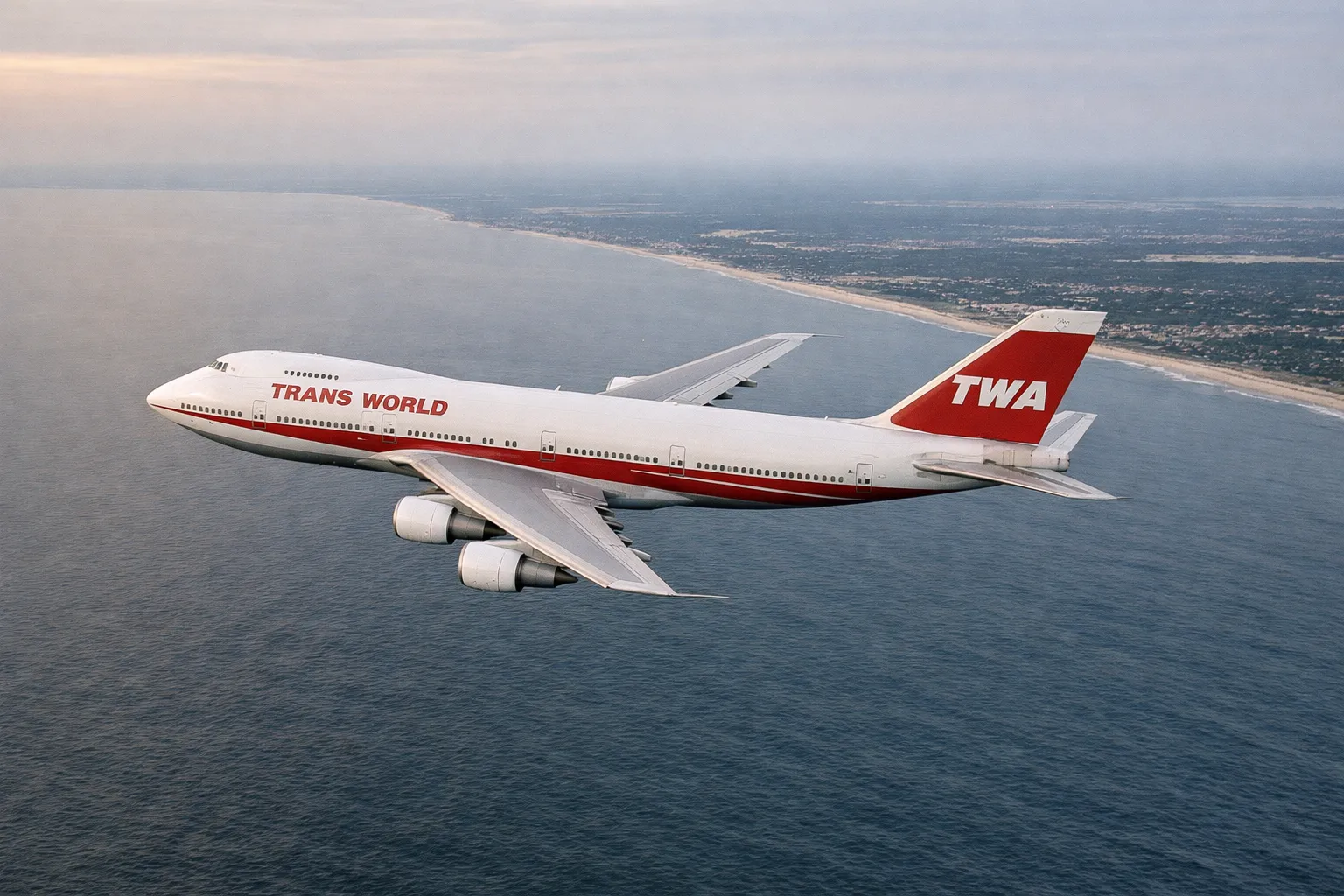
On July 17, 1996, Trans World Airlines Flight 800, a Boeing 747, crashed into the Atlantic Ocean off Long Island, New York. The litigation that followed became a significant example of coordinated aviation disaster proceedings involving complex causation disputes, multi-party technical discovery, and threshold federal statutory questions affecting damages and remedies.
Accident Summary
| Date | July 17, 1996 |
|---|---|
| Location | Atlantic Ocean off Long Island, New York, United States |
| Aircraft | Boeing 747 (Trans World Airlines Flight 800) |
| Operation | Part 121 scheduled passenger flight |
| Mission | International passenger service (New York–Paris) |
| Occupants | 230 |
| Fatalities | 230 |
| Phase of Flight | Climb |
| Investigation | NTSB |
Coordinated Disaster Litigation Structure
Large-scale aviation disasters typically generate parallel claims across multiple jurisdictions, with coordinated leadership structures established to manage common discovery, expert development, and motion practice. In TWA Flight 800 litigation, coordinated proceedings required integration of technical investigation, manufacturer and regulatory documentation, and federal jurisdictional analysis.
Competing Causation Theories and Center Wing Tank Analysis
Early in the litigation, the asserted causation theories included competing explanations concerning the initiating event. Plaintiffs’ technical experts conducted extensive evaluation of recovered aircraft components and associated documentation, focusing on the center wing fuel tank system and the potential mechanisms by which an ignition source could occur within the tank environment.
Fuel tank causation analysis in transport-category aircraft matters typically requires detailed examination of:
- fuel quantity indication system architecture and wiring routing
- electrical power transfer pathways and potential short-circuit conditions
- bonding, shielding, and separation of wiring bundles in proximity to fuel tank structure
- maintenance history and post-delivery configuration changes
- certification assumptions and service experience documentation
Regulatory Interface and NTSB Findings
The National Transportation Safety Board’s investigative process provides an essential factual record in many aviation matters, including the development of technical findings concerning system behavior and likely ignition sources. In the TWA Flight 800 investigation, the NTSB conducted a Sunshine Hearing on August 22–23, 2000 to discuss its draft final report. The NTSB ultimately concluded that the accident involved a center wing fuel tank explosion and that a short circuit producing excess voltage, transferred to fuel tank quantity indication system wiring, was the most likely source of ignition energy.
Threshold Federal Statutory Issues: DOHSA
In addition to technical causation disputes, the litigation involved a recurring threshold issue in offshore aviation cases: whether the Death on the High Seas Act (DOHSA) applies. DOHSA can materially affect the scope of recoverable damages in aviation wrongful death claims when a fatal accident occurs on the “high seas,” and defendants in aviation disaster matters may seek early rulings to frame the remedies available to estates and survivors.
The DOHSA dispute in TWA Flight 800 centered on the meaning of “high seas” and the location of the crash relative to United States territorial waters. Plaintiffs argued that the relevant boundary should be analyzed in light of the United States’ territorial sea as defined by federal authority, including the extension of the territorial sea to 12 nautical miles. Defendants argued for a narrower definition based on older maritime distance concepts. The Second Circuit’s treatment of this dispute provides an example of how maritime statutes can intersect with aviation disaster litigation and how jurisdictional and remedial issues may be litigated alongside technical causation.
Methodological Implications for Aviation Accident Litigation
TWA Flight 800 reflects the structural characteristics of high-stakes aviation disaster matters often evaluated by aviation accident lawyers: coordinated multi-party proceedings, extensive engineering analysis, integration of regulatory documentation, and threshold federal statutory defenses that can shape the remedies and litigation posture of the case.
The incident also illustrates why scheduled-passenger cases often require analysis well beyond the first public account of the event. Carrier operations, multi-party technical discovery, federal statutory issues, and the interaction between accident investigation and civil claims can all shape the litigation. Readers seeking a broader discussion of those issues may also review the firm’s Commercial Airline Accident Litigation page.
Consultation Regarding Aviation Accident Investigations
Families, referring attorneys, and journalists sometimes seek legal consultation or technical insight regarding aviation accidents and investigative issues discussed in these analyses. Inquiries may be directed to Katzman, Lampert & Stoll at the link below.
Aviation Accident Litigation
- Aviation Accident Litigation
- Commercial Airline Accident Litigation
- Private and Corporate Aircraft Accident Litigation
- Military & Government Contractor Aviation Litigation
- Complex Aviation Litigation Methodology
- NTSB Investigations & Civil Aviation Claims
- Federal Preemption in Aviation Product Liability
- Defeating GARA Defenses in Aviation Product Liability Litigation
- For Families and Survivors
MICHIGAN OFFICE
Katzman Lampert & Stoll
950 West University Dr #101
Rochester, MI 48307
E-mail: Click to use our Contact Form
Toll-Free: (866) 309-6097
Phone: (248) 258-4800
Fax: (248) 258-2825
COLORADO OFFICE
Katzman Lampert & Stoll
9596 Metro Airport Ave.
Broomfield, CO 80021
E-mail: Click to use our Contact Form
Toll-Free: (866) 309-6097
Phone: (303) 465-3663
Fax: (303) 867-1565
PENNSYLVANIA OFFICE
Katzman Lampert & Stoll
121 N. Wayne Ave. # 205
Wayne, PA 19087
E-mail: Click to use our Contact Form
Toll-Free: (866) 309-6097
Phone: (610) 686-9686
Fax: (610) 686-9687