

N486KC – Mooney M20M – Amisville, VA
Updated: Mar 26, 2026
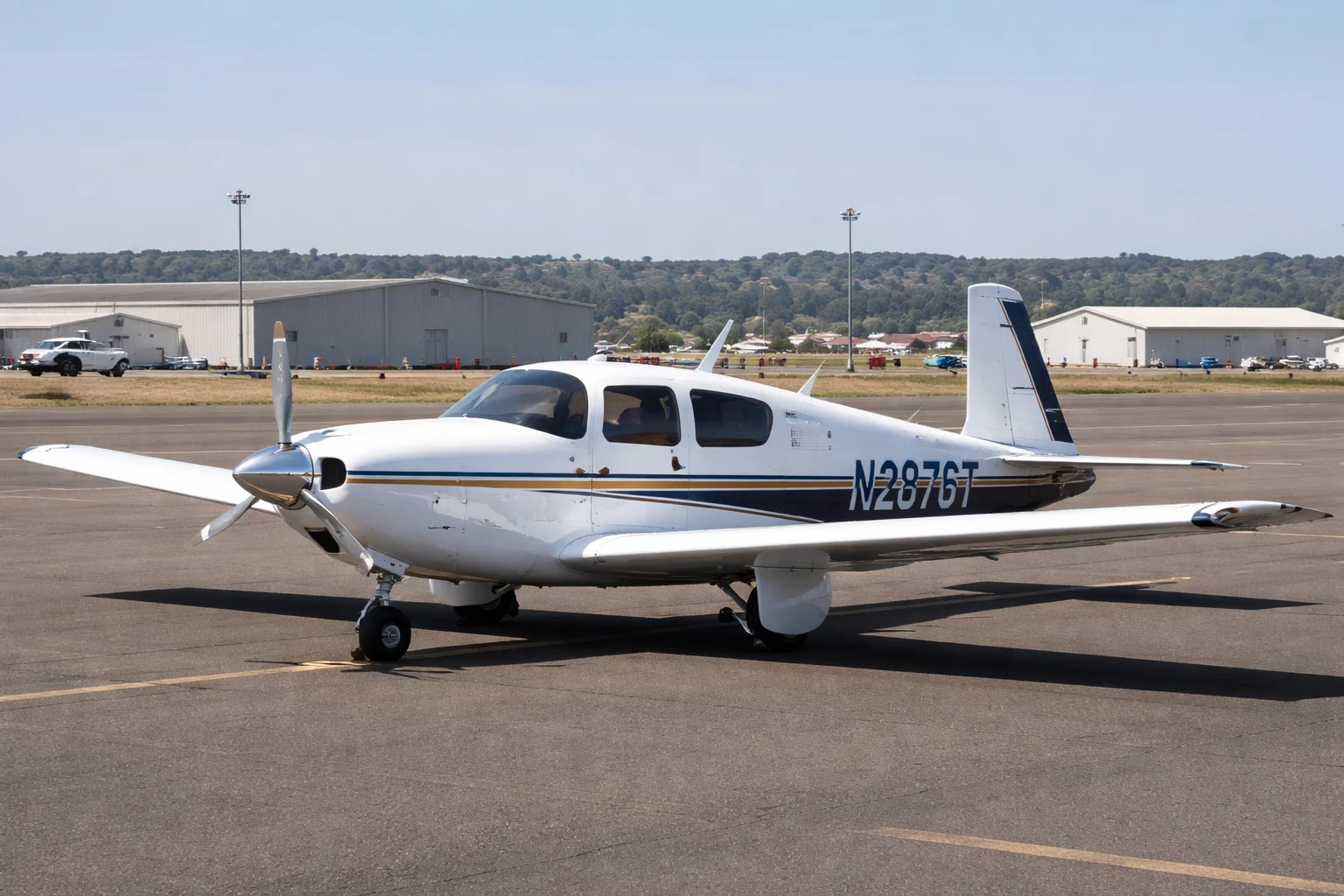
On March 3, 2012, a Mooney M20M, registration N486KC, experienced a reported total loss of engine power while in cruise flight near Amisville, Virginia. The aircraft was operating under visual meteorological conditions with an instrument flight plan filed. After power loss at approximately 5,000 feet mean sea level, the pilot attempted to glide to a field before the aircraft struck obstacles during the forced landing sequence. The National Transportation Safety Board retained the engine for examination.
Incidents involving in-flight power loss fall within the broader framework of private aircraft accident litigation, where technical reconstruction focuses on identifying whether the initiating event originated in the engine, fuel delivery system, air induction system, ignition components, or related airframe systems.
Accident Summary
| Date | March 3, 2012 |
|---|---|
| Location | Near Amisville, Virginia, United States |
| Aircraft | Mooney M20M, N486KC |
| Operation | Part 91 personal flight (IFR flight plan filed) |
| Mission | Personal transportation |
| Occupants | Not publicly reported |
| Fatalities | Not publicly reported |
| Phase of Flight | Cruise / forced landing following engine power loss |
| Investigation | NTSB |
Engine Power Loss Investigative Framework
When an aircraft engine ceases producing power in cruise flight, investigators typically evaluate four principal categories:
- fuel supply and fuel flow continuity
- air induction and mixture control
- ignition system performance
- internal mechanical failure
Where no immediate evidence of catastrophic internal engine failure is observed, fuel system integrity becomes a central focus of investigation.
Mooney M20M Integral Fuel Tank Architecture
The Mooney M20 series utilizes integral wing fuel tanks, meaning the wing structure itself forms the fuel reservoir. Fuel is stored within sealed wing cavities rather than removable bladder assemblies. Within the wing structure, porting holes along structural members allow fuel to migrate toward sump locations and engine pickup points.
Sealant is applied to internal seams to prevent leakage. During original manufacture or subsequent reseal procedures, excess sealant may migrate into structural porting holes. If porting passages become restricted, contaminants or fuel may not flow as intended toward the pickup location, potentially affecting usable fuel availability under certain conditions.
Fuel System Examination Protocol
Investigation of a reported fuel-related power loss may include:
- inspection of tank interior surfaces and porting pathways
- evaluation of sealant application and prior reseal documentation
- fuel selector and boost pump testing
- fuel line continuity and flow rate testing
- analysis of retained fuel samples for contamination
Litigation involving aircraft equipped with integral fuel tank structures has, in prior matters, required examination of internal porting pathways and sealant application affecting fuel flow continuity, issues often evaluated by aviation accident lawyers handling technically complex aircraft-loss cases.
NTSB Engine Retention and Analysis
When the NTSB retains an engine following an accident, investigators typically conduct teardown examination, accessory testing, and documentation review to determine whether mechanical failure occurred. The structure and stages of this process are described in the firm’s explanation of the NTSB Investigation Process.
In aircraft equipped with integral fuel tanks, it is essential that examination extend beyond the engine itself to include fuel tank design, internal flow pathways, and maintenance history. Determination of probable cause requires integration of physical evidence, maintenance documentation, and systems-level analysis.
Consultation Regarding Aviation Accident Investigations
Families, referring attorneys, and journalists sometimes seek legal consultation or technical insight regarding aviation accidents and investigative issues discussed in these analyses. Inquiries may be directed to Katzman, Lampert & Stoll at the link below.
Aviation Accident Litigation
- Aviation Accident Litigation
- Private and Corporate Aircraft Accident Litigation
- Military & Government Contractor Aviation Litigation
- Complex Aviation Litigation Methodology
- NTSB Investigations & Civil Aviation Claims
- Federal Preemption in Aviation Product Liability
- Defeating GARA Defenses in Aviation Product Liability Litigation
- For Families and Survivors
MICHIGAN OFFICE
Katzman Lampert & Stoll
950 West University Dr #101
Rochester, MI 48307
E-mail: Click to use our Contact Form
Toll-Free: (866) 309-6097
Phone: (248) 258-4800
Fax: (248) 258-2825
COLORADO OFFICE
Katzman Lampert & Stoll
9596 Metro Airport Ave.
Broomfield, CO 80021
E-mail: Click to use our Contact Form
Toll-Free: (866) 309-6097
Phone: (303) 465-3663
Fax: (303) 867-1565
PENNSYLVANIA OFFICE
Katzman Lampert & Stoll
121 N. Wayne Ave. # 205
Wayne, PA 19087
E-mail: Click to use our Contact Form
Toll-Free: (866) 309-6097
Phone: (610) 686-9686
Fax: (610) 686-9687